5 April 2026
The rise of Stablecoin marks a turning point in how value moves across borders. Once seen as a technical layer within the cryptocurrency ecosystem, stablecoins have evolved into instruments with real economic weight. Their growing role in global finance is no longer just about efficiency or innovation. It is increasingly tied to questions of monetary control, geopolitical influence, and systemic risk.
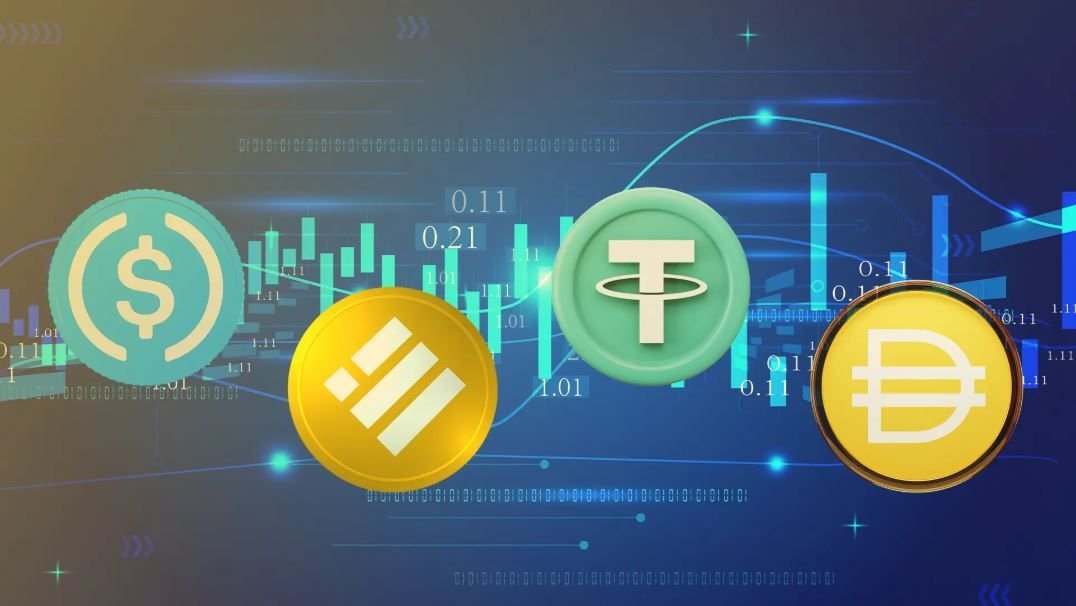
At their core, stablecoins derive their appeal from price stability. Assets such as Tether and USD Coin are designed to maintain a fixed value, typically pegged to the US dollar. This stability allows them to function as a bridge between traditional finance and digital markets. For users operating in volatile economies or under restrictive banking systems, stablecoins offer access to a dollar-equivalent asset without relying on domestic financial institutions. This alone has driven rapid adoption in regions facing currency depreciation or capital controls.
Yet the true significance of stablecoins lies beyond their utility as a store of value. They are increasingly embedded in the flow of global capital. Cross-border payments, remittances, and even informal trade settlements are beginning to shift toward blockchain-based transfers. In many cases, stablecoins are not just replacing inefficiencies in the system but reshaping the system itself. Transactions that once depended on intermediaries and legacy infrastructure can now be executed directly, faster and often at lower cost. This shift is subtle but profound, as it redistributes financial access and influence away from traditional gatekeepers.
From an investment perspective, the opportunities tied to stablecoins are often misunderstood. The narrative tends to focus on yield generation through lending or decentralized finance platforms. While these avenues do offer returns that exceed traditional savings instruments, they are not without risk. More importantly, they represent only one layer of opportunity. The deeper advantage lies in understanding where and why demand for stablecoins is growing. Markets with limited access to stable currencies tend to exhibit stronger demand, creating pricing inefficiencies and liquidity gaps that informed participants can exploit.
However, these opportunities are inseparable from structural risks. One of the most critical concerns is the credibility of reserves backing major stablecoins. The assumption that each token is fully supported by liquid assets remains a point of scrutiny. In times of market stress, confidence becomes the determining factor. A sudden loss of trust can trigger rapid redemptions, effectively creating a digital version of a bank run. The collapse of TerraUSD demonstrated how quickly stability can unravel when underlying mechanisms fail, leaving investors exposed to severe losses.
Beyond market dynamics, stablecoins are now entangled in geopolitical considerations. Their widespread use reinforces the global reach of the US Dollar, even outside the formal banking system. This creates a paradox. On one hand, stablecoins extend the influence of dollar-based finance into new digital territories. On the other hand, they operate beyond direct regulatory oversight, raising concerns among policymakers. In response, governments are accelerating the development of sovereign digital currencies, such as the Digital Yuan, in an effort to retain control over monetary systems and payment infrastructures.
For individuals and institutions navigating this landscape, the key question is not whether stablecoins are safe, but how they fit within a broader financial strategy. Passive holding may provide short-term convenience, but it does not capture the full scope of their impact. Those who approach stablecoins as part of a larger network of capital flows, regulatory shifts, and geopolitical competition are better positioned to identify both opportunities and risks.
In essence, stablecoins are no longer a peripheral innovation. They represent a structural shift in global finance, one that operates quietly yet carries significant implications. As their adoption expands, so too does their influence over how money is stored, transferred, and controlled. Understanding this shift requires more than technical knowledge. It demands an awareness of the evolving balance of power in the global financial system, where stablecoins are emerging as a silent but consequential force.
Leave a Reply