4 April 2026
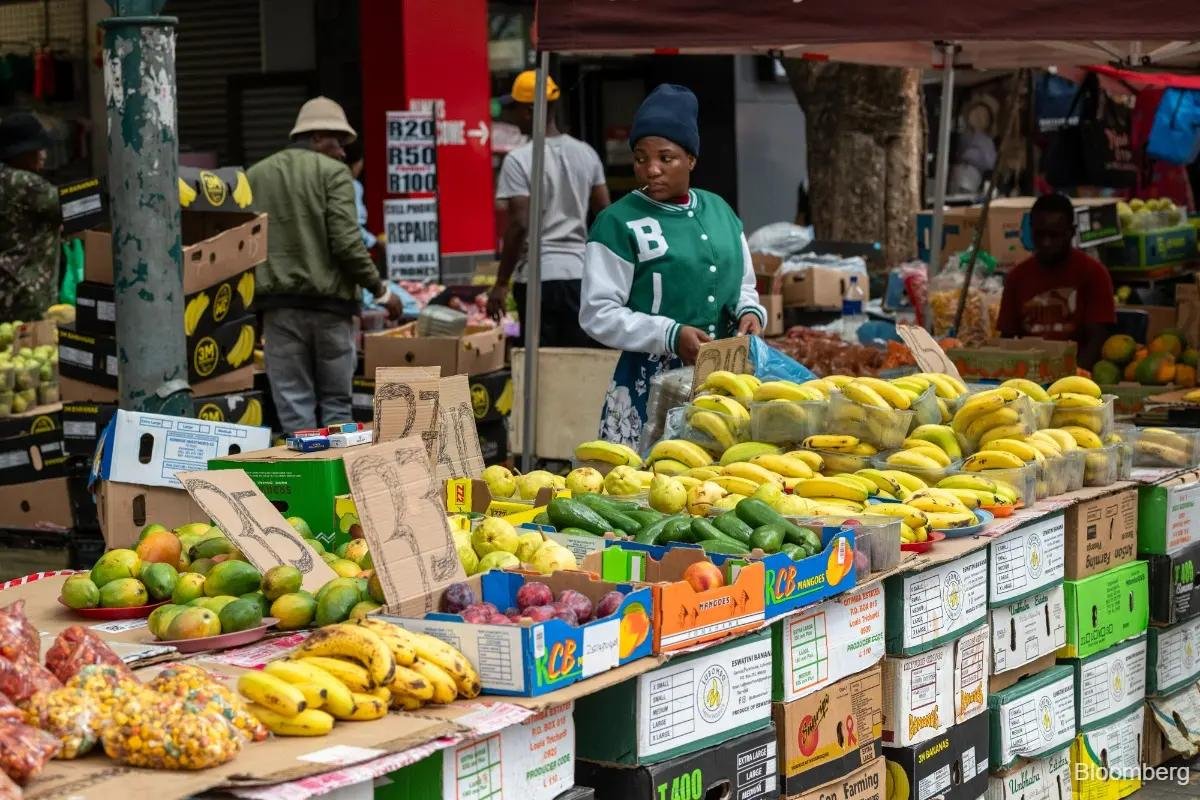
Global food prices surged in March 2026 due to the ongoing conflict in the Middle East, according to the United Nations Food and Agriculture Organization (FAO). Higher energy costs, disruptions in fertilizer supply, and rising transportation expenses have driven inflation in staples such as wheat, sugar, and vegetable oil. For businesses and investors, these developments are not just headlines but signals of risks and opportunities across commodities, equities, and currencies.
Commodities Impact
The most immediate effect is seen in food and energy commodities. Wheat and sugar prices jumped significantly, and vegetable oil increased by around five percent in March alone. Crude oil, closely linked to both fertilizer production and transportation, climbed above $110 per barrel due to supply concerns in the Strait of Hormuz. Energy and agribusiness companies are positioned to benefit from these trends. Traders can take long positions in food staples experiencing supply constraints or hedge to manage exposure.
Businesses that rely on food inputs face immediate cost pressures. Manufacturers, retailers, and foodservice operators experience higher production costs. Companies that fail to adjust pricing or hedge input costs risk margin compression. Those that anticipate the spike can secure long-term contracts or use futures markets to stabilize costs and protect profitability.
Equities Outlook
Stock markets respond unevenly to these pressures. Agribusiness and fertilizer companies are clear beneficiaries, while consumer-facing businesses such as grocers and restaurants face challenges from rising input costs. Energy stocks benefit indirectly from higher oil prices, and investors are rotating capital toward sectors with strong pricing power or commodity-linked revenues.
Globally, equities show cautious resilience. Despite elevated energy costs and geopolitical uncertainty, markets are balancing growth expectations with inflation concerns. Sector selection and timing become critical for traders and portfolio managers navigating this environment.
Currency and Foreign Exchange Considerations
Currency markets are affected as well. Currencies of oil-exporting nations, such as the Canadian dollar and Norwegian krone, strengthen due to rising energy revenues. Import-reliant economies may experience depreciation as import bills for food and energy grow. Emerging markets that depend heavily on imported staples are particularly vulnerable, and central banks may adjust interest rates to stabilize their currencies.
For businesses engaged in international trade, hedging currency exposure is essential. Companies importing food or energy products should consider forward contracts to mitigate FX risk. Exporters can explore pricing strategies to offset potential local currency fluctuations.
Strategic Business Implications
Beyond immediate market movements, the price spikes have broader macroeconomic consequences. Rising food and energy costs contribute to global inflation and influence central bank policy, which in turn affects borrowing costs. Supply chain disruptions from conflict-related transport issues and higher input prices are prompting companies to reassess sourcing strategies, inventory management, and operational efficiency.
Opportunities exist for those positioned to benefit from this environment. Long positions in agribusiness, fertilizer, and energy stocks are attractive. Commodity hedging in food staples and oil can protect against volatility. FX hedging in vulnerable markets is advisable. Risks are clear for businesses exposed to rising input costs, currency fluctuations, and supply chain interruptions. Strategic planning, scenario analysis, and proactive risk management are essential to navigate this environment successfully.
Conclusion
The Middle East conflict has transformed a supply and energy shock into a multidimensional market event. For businessmen and investors, the implications extend across commodities, equities, and currencies, presenting both opportunities and challenges. Companies that act strategically through hedging, sector selection, and operational adjustments can mitigate downside risks and capitalize on market movements. The spike in food prices is not merely an inflation story. It signals the need for the global business community to reassess vulnerabilities and seize opportunities in a rapidly changing geopolitical and economic landscape.
Leave a Reply