5 April 2026
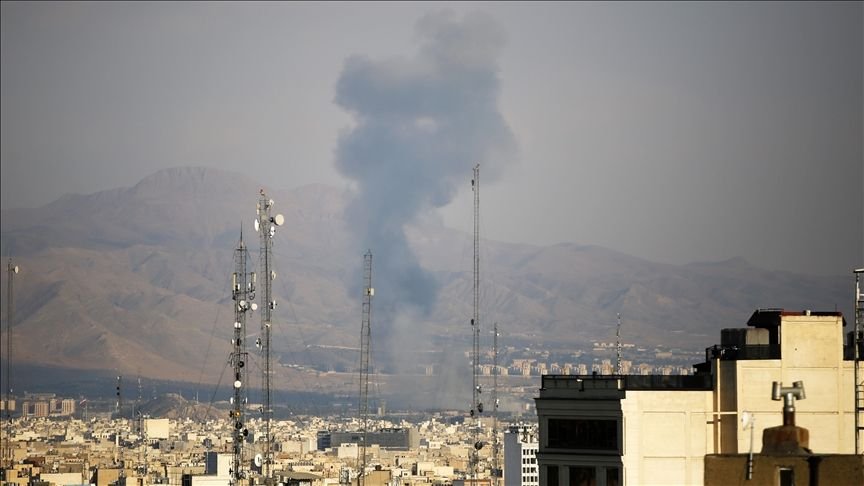
Tensions in the Middle East have escalated sharply as Benjamin Netanyahu confirmed recent strikes on Iran’s petrochemical facilities. The attacks mark a significant intensification of Israel-Iran relations and have drawn global attention due to their potential impact on energy markets and regional stability. Analysts suggest that these strikes are part of a broader strategic approach by Israel to counter perceived threats from Iran, both militarily and economically.
According to reports from The Guardian, the strikes specifically targeted facilities critical to Iran’s energy production. The petrochemical sector is a major source of export revenue for Iran, and any disruption can directly affect the country’s ability to fund military operations and support proxy networks across the Middle East. By hitting infrastructure rather than conventional military targets, Israel signals that it is willing to employ a mix of tactical and economic pressure to achieve its strategic objectives.
From a geopolitical perspective, the attacks can be seen as a direct response to Iran’s regional activities. Israel has long accused Iran of supporting armed groups that it considers existential threats. By targeting critical infrastructure, Israel demonstrates its willingness to act decisively rather than waiting for threats to escalate further. Experts note that such strikes serve as both a deterrent and a message to regional and global actors that Israel is prepared to take proactive measures to secure its national interests.
The operation carries substantial risks. Iran is not only a regional military power but also a significant player in the global oil market. Any disruption to its petrochemical and energy production can create volatility in global oil prices. Following reports of the strikes, international oil markets reacted with increased volatility, reflecting investor concerns over supply disruptions. Higher energy prices can have far-reaching consequences, including increased inflationary pressures in both developed and developing economies that rely heavily on imported energy. Analysts warn that sustained instability in this sector could slow global economic growth and increase uncertainty for markets worldwide.
In addition, the involvement of major powers such as the United States introduces another layer of complexity. The U.S. has strategic interests in the Middle East, particularly in maintaining stable energy supplies and ensuring the security of its allies. Escalation between Israel and Iran could force increased U.S. engagement, either diplomatically or militarily, with implications that could extend far beyond the region. The risk of wider conflict remains significant, and international observers are closely monitoring the situation to gauge how other regional players may respond.
Beyond immediate military and economic effects, the strikes highlight the intersection between warfare and global markets. Israel’s approach reflects an understanding that modern conflicts often extend beyond the battlefield, affecting economies, trade routes, and international relations. The petrochemical sector, energy logistics, and oil-dependent industries are now vulnerable to geopolitical shocks, emphasizing the global interconnectedness of such conflicts.
In conclusion, the strikes confirmed by Benjamin Netanyahu illustrate a strategic escalation that blends military action with economic pressure. While Israel may gain short-term tactical advantages, the long-term implications for global energy security, market stability, and regional diplomacy are substantial. Oil markets, inflation rates, and international relations are now at a delicate juncture, demonstrating that decisions made in the Middle East can reverberate across the world. As the situation develops, governments, investors, and citizens alike will need to monitor both the military and economic dimensions of this conflict, recognizing that the consequences extend far beyond the immediate region.
Leave a Reply