6 April 2026
As the world watches escalating tensions in the Middle East, the ripple effects are already being felt thousands of miles away in Asia. Today, crude oil prices have surged beyond USD 110 per barrel, triggered by threats and recent strikes on Iranian and Kuwaiti oil infrastructure. Markets are volatile, supply chains are stressed, and for ordinary families across Asia, the cost is already hitting their wallets.
The latest drone strikes on oil facilities in Kuwait and ongoing threats to Iran’s energy infrastructure have disrupted a critical portion of the world’s oil supply. Analysts estimate that nearly 15% of global oil output could be temporarily affected, as OPEC+ struggles to compensate through increased production. While these events unfold in the Middle East, their consequences cascade rapidly across the globe.
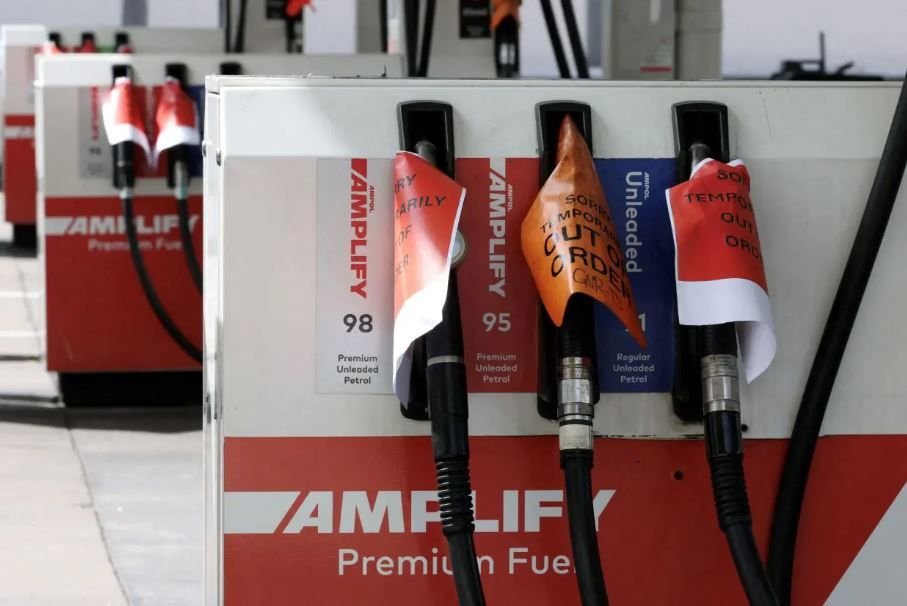
Asia, heavily reliant on imported energy from the region, is among the first to feel the impact. Countries in Southeast Asia, including Malaysia, Indonesia, and the Philippines, are experiencing fuel shortages, supply delays, and rising prices. In some cases, governments are under pressure to maintain subsidies, but even these measures offer only temporary relief. Families notice it immediately, the cost of transportation rises, food prices increase as logistics costs soar, and household budgets tighten.
This brings us to a crucial point, the link between global policy decisions and local consequences. The policies and actions of a single superpower, the United States, in shaping foreign military strategy have indirect but very real economic consequences for communities in Asia. Decisions to escalate or intervene, whether politically motivated or strategic, set off a chain reaction. Oil supply disruptions in the Middle East translate into higher energy prices, which in turn raise the cost of living for ordinary people thousands of miles away.
The pattern is clear. Crises originating far from Asia are felt first and hardest by populations with the least control over the circumstances. While these geopolitical events may generate headlines in the U.S. and Europe, the economic burden is disproportionately carried by those in Asia, particularly the middle and lower-income households.
It is not just about fuel. The surge in energy prices triggers broader inflation. Rising logistics costs affect the price of basic goods, fertilizers for agriculture, and electricity. Even industries pivoting to alternative energy sources, such as solar or wind, face constraints due to immediate shortages of oil and gas. What begins as a geopolitical risk quickly transforms into a systemic challenge that touches nearly every aspect of daily life in Southeast Asia.
For the people of the region, the lesson is both urgent and practical. Understanding global supply chains and energy markets is no longer optional, it is essential. Households may need to adjust budgets, consider energy-efficient alternatives, and explore additional sources of income. Businesses and policymakers, too, must anticipate the cascading effects of distant conflicts on local economies, preparing strategies that mitigate the shock for their communities.
Ultimately, this crisis illustrates a simple truth. In an interconnected world, no economy is an island. Actions taken by powerful nations, even thousands of miles away, have direct consequences for ordinary lives elsewhere. Recognizing these links allows Asia to navigate turbulent times more wisely. While decisions in Washington or Tehran may seem remote, their economic echoes resonate in the markets, shops, and homes of Southeast Asia every single day.
Asia pays the price, not for the decisions it makes, but for the risks others take. Awareness, adaptability, and proactive planning are the only tools available to shield communities from the full brunt of this global energy shock.
Leave a Reply