14 April 2026
The United States has launched a sweeping naval blockade against Iran, marking a sharp escalation in an already volatile conflict and triggering global concern over economic stability and the risk of wider war.
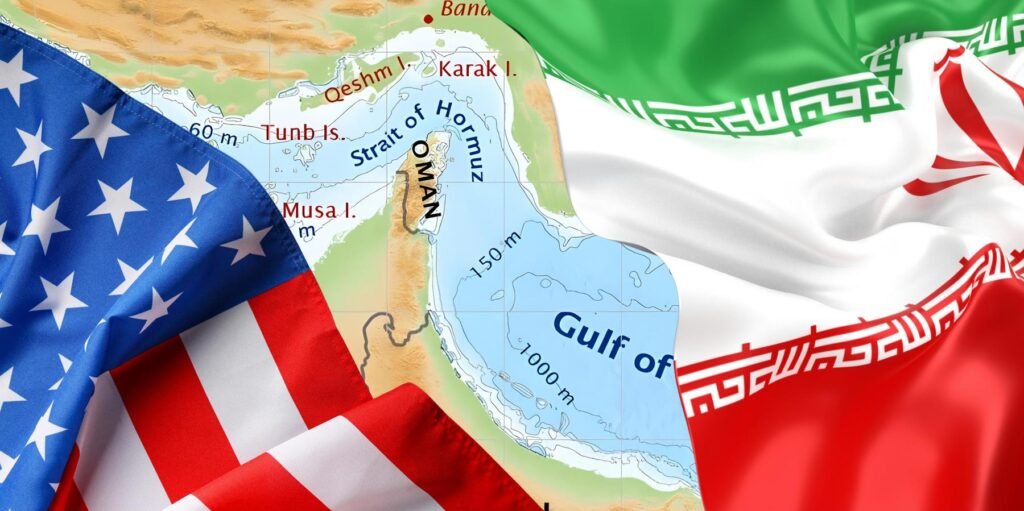
The blockade, which began in mid-April following the collapse of high level negotiations, targets ships entering and leaving Iranian ports particularly through the Strait of Hormuz, a chokepoint for global oil shipments. U.S. officials say the move is intended to pressure Tehran into halting its nuclear program and restoring unrestricted maritime traffic.
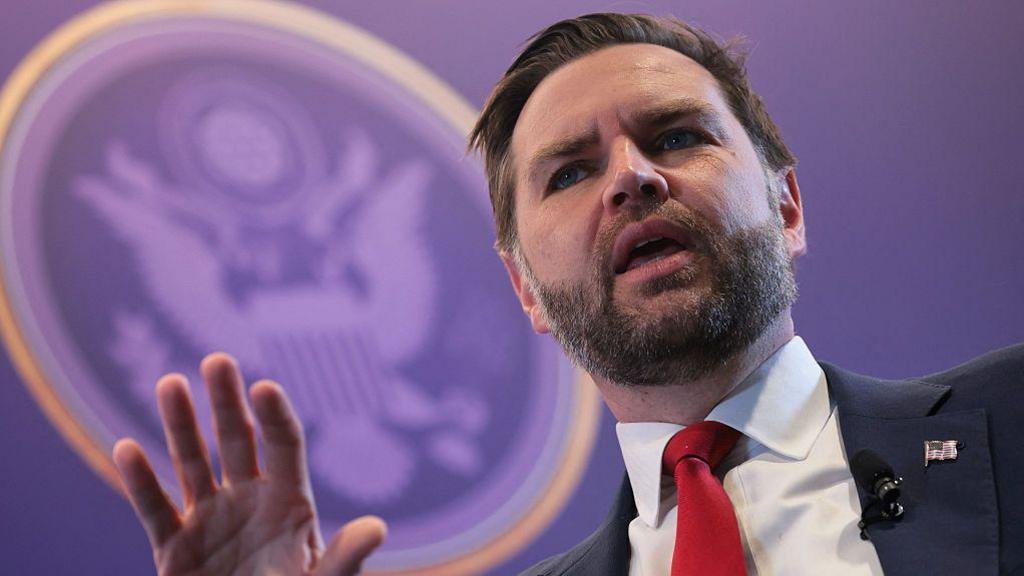
At the center of Washington’s messaging is Vice President J. D. Vance, who has taken a hardline stance on Iran’s actions in the region. Vance accused Tehran of engaging in “economic terrorism,” arguing that its interference with shipping routes in the Strait of Hormuz threatens global trade and energy security.
“They are effectively holding the global economy hostage,” Vance said during a briefing, adding that the United States would not allow critical maritime routes to be disrupted without consequence. He further warned that “two can play that game,” signaling Washington’s willingness to counter Iran’s tactics with direct economic pressure.
Tehran has condemned the blockade as illegal and provocative, warning that it may retaliate if its ports or vessels are targeted. Iranian officials insist that their actions in the region are defensive and accuse Washington of escalating tensions unnecessarily. They also reiterated that they will not negotiate under coercion, particularly on issues related to their nuclear program.
The international response has been mixed. Some Western allies have expressed cautious support for Washington’s objective of maintaining open shipping lanes, while stopping short of endorsing the blockade itself. Several European governments have instead called for urgent diplomatic efforts to prevent further escalation, warning that the situation could spiral into open conflict if miscalculated.
Economic analysts warn that the blockade could have far-reaching consequences. Oil prices have already shown signs of volatility, with traders reacting nervously to the potential disruption of supplies passing through the Strait of Hormuz. Given that a significant portion of the world’s oil shipments moves through this narrow passage, any prolonged standoff could trigger inflation and slow global growth.
Critics of the blockade argue that such measures often harm civilians more than governments, limiting access to essential goods and deepening economic hardship. Others contend that economic pressure, while imperfect, remains a preferable alternative to direct military confrontation, offering a means to influence behavior without immediate large-scale violence.
As tensions continue to rise, the standoff between the United States and Iran appears far from resolution. With both sides signaling determination to stand firm, the coming weeks will be critical in determining whether diplomacy can still prevail or whether the crisis will deepen into a broader regional conflict with global implications.